Fort Lauderdale T-Bone Accident Lawyer
Serving Fort Lauderdale and Clients Throughout Florida
Millions Recovered for Accident Victims
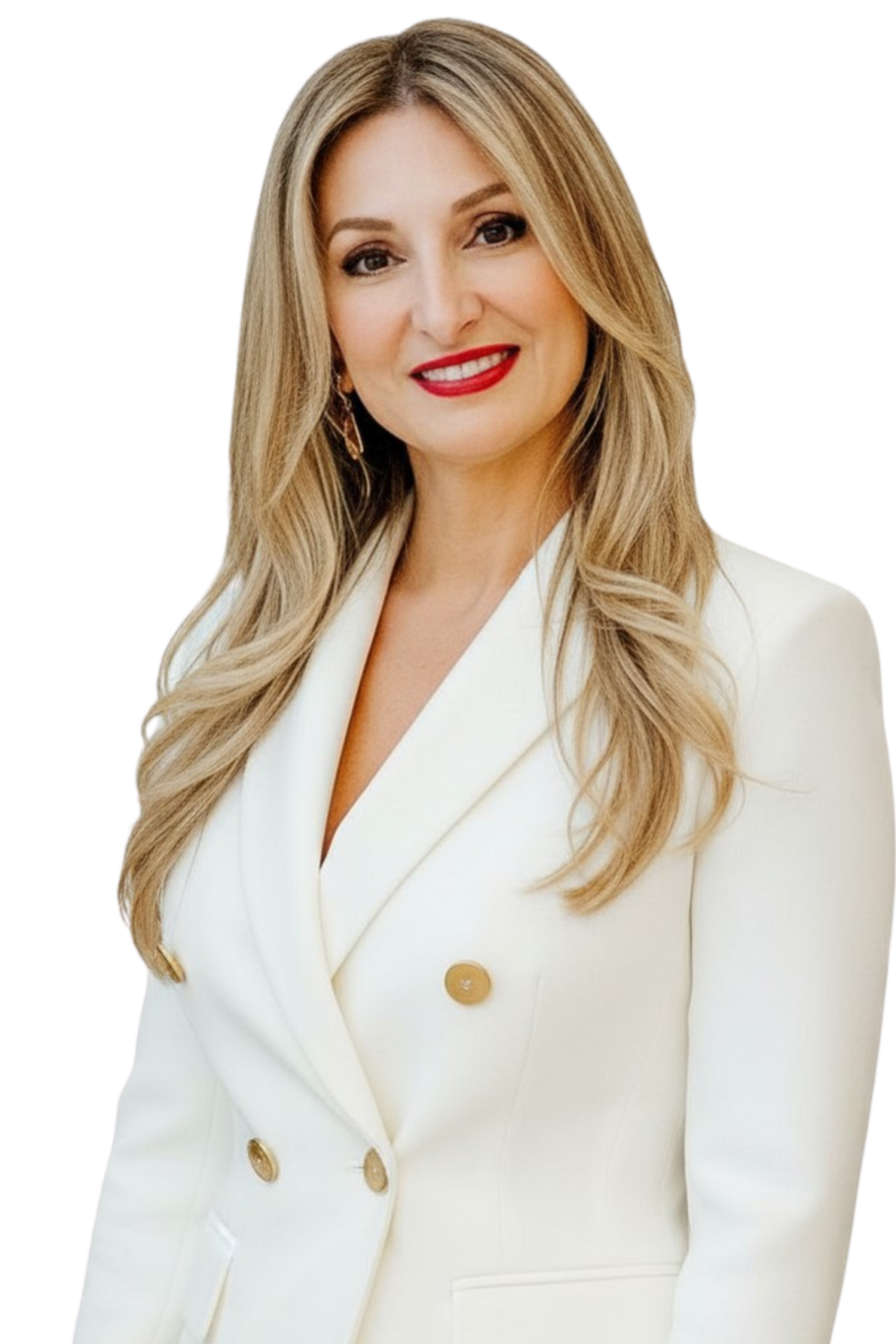
Written and reviewed by Yana Kurzman, Esq.
Founder, Kurzman Law Group
Attorney since 1994 | Florida attorney since 2011 | Fort Lauderdale, Florida
Attorney Bio | Florida Bar Profile
Last reviewed: September 20, 2026
Hit from the side in a Fort Lauderdale intersection? Call Kurzman Law Group as soon as you are safely able to do so.
T-bone and intersection crashes often happen in seconds, but determining who had the right-of-way can require much more than looking at where the vehicles ended up. One driver may say the light was green, the other may say the opposite, or a left-turning driver may insist there was enough time to cross. The police report may help, but it is not always the final word on what happened.
Kurzman Law Group investigates the intersection, the traffic controls, the movement of each vehicle, available video, witnesses, vehicle damage, and insurance coverage. We also handle the insurance communications and guide clients through the medical, vehicle, and claim issues that follow a serious side-impact collision.
Related resource: Fort Lauderdale Car Accident Lawyer
What Is a T-Bone Accident?
A T-bone accident is a side-impact collision in which the front of one vehicle strikes the side of another. These crashes frequently occur at intersections, driveways, median openings, parking-lot exits, and locations where one vehicle crosses another vehicle’s path.
The term describes the shape of the impact, not who caused it. A driver who strikes the side of another vehicle is not automatically at fault, and the driver whose vehicle was struck on the side is not automatically free from fault. The central question is usually which vehicle had the legal right to enter or continue through the intersection at the moment of the crash.
Who Usually Has the Right-of-Way
in an Intersection Accident?
There is no single rule that decides every intersection collision. The answer depends on the traffic signal or sign, the direction each vehicle was traveling, whether a driver was turning, whether a vehicle had already entered the intersection, and whether another vehicle was approaching closely enough to create an immediate hazard.
Florida law requires drivers facing a steady red signal to stop before entering the intersection. Drivers facing a green signal may proceed, but they must still yield to vehicles and pedestrians lawfully within the intersection or adjacent crosswalk. At stop-sign intersections, a driver must stop and then yield to traffic already in the intersection or approaching closely enough to constitute an immediate hazard.
That means an intersection case should be reconstructed from the actual facts rather than from assumptions about where the damage occurred.
What If the Other Driver
Ran a Red Light?
A red-light violation can create a straightforward liability issue when the evidence clearly establishes which driver entered against the signal. Florida Statute §316.075 requires a driver facing a steady red light to stop before entering the crosswalk or intersection and remain stopped until a permitted indication is shown, subject to limited lawful turns after stopping and yielding.
The difficult part is often proving which light was red. Drivers may give conflicting accounts, and the traffic signal itself may no longer provide evidence by the time a claim is investigated. Depending on the location, useful evidence may include independent witnesses, dash cameras, nearby business or residential surveillance, intersection video, photographs, vehicle event data, and the timing and sequence described in the crash report.
If you believe the other driver ran the light, tell the investigating officer what you actually observed, but do not guess about a signal phase you did not see. Then contact Kurzman Law Group so the evidence can be evaluated before potentially useful video or witness information disappears.
What If the Other Driver
Turned Left in Front of Me?
Left-turn collisions are one of the most common patterns in serious intersection crashes. A driver traveling straight may enter an intersection with the right-of-way when an oncoming vehicle suddenly begins a left turn across the lane of travel.
Florida Statute §316.122 requires a driver intending to turn left within an intersection, or into an alley, private road, or driveway, to yield to oncoming vehicles that are already in the intersection or are so close as to constitute an immediate hazard. That rule can be important when a turning driver claims the approaching vehicle should have stopped or slowed enough to avoid the collision.
But left-turn cases still require evidence. Speed, sight distance, signal phase, lane position, visibility, and the point at which each driver entered the intersection can matter. We investigate those facts rather than assuming liability from the direction of the impact alone.
What If I Had the Green Light
but the Other Driver Says I Did Not?
This is a common dispute in intersection cases. If both drivers insist they had the green light, the claim can become an evidence case very quickly.
Independent evidence may be more important than either driver’s later statement. Witnesses who were stopped at the intersection, dash-camera footage, nearby surveillance, photographs showing vehicle positions, traffic-signal sequence information when available, and the physical damage can help establish how the crash occurred.
Do not argue with the other driver at the scene. Give the officer accurate information about what you remember and identify any witnesses you saw. If you do not know or do not remember something, say so rather than filling in details. Kurzman Law Group can investigate the conflicting accounts and determine what additional evidence may be available.
What If I Was Hit While Crossing an Intersection
With a Stop Sign?
At a stop-sign intersection, Florida law requires the approaching driver to stop at the marked stop line, before the crosswalk if there is no line, or at the nearest point where the driver can see approaching traffic. After stopping, the driver must yield to a vehicle already in the intersection or approaching so closely as to constitute an immediate hazard.
At a four-way stop, the first driver to stop generally proceeds first. When vehicles arrive at approximately the same time, the factual details become important, including which vehicle came to a complete stop first, where each vehicle was positioned, and whether one driver entered before it was safe to do so.
A statement such as “I stopped” does not necessarily answer the liability question. A driver can stop and still violate the right-of-way rule by pulling into the path of an approaching vehicle.
What If the Other Driver Says
I Was Speeding?
Drivers who enter an intersection or turn across traffic sometimes respond by claiming the approaching vehicle was speeding. Speed can matter, but an unsupported accusation does not automatically shift responsibility.
We look at the available evidence: vehicle damage, photographs, skid or tire marks when documented, witness accounts, event data when available, the roadway layout, and the timing of the vehicles’ movements. We also examine whether the other driver had a legal duty to yield before entering or crossing your lane.
Florida follows a modified comparative negligence system, so insurers may try to assign a percentage of fault to more than one driver. That makes it important to investigate the evidence rather than casually accepting an insurer’s allocation of responsibility.
What If I Could Not Avoid the Crash?
Many side-impact crashes leave almost no time to react. A driver may see a vehicle begin crossing the lane only a moment before impact. Whether the collision could reasonably have been avoided depends on distance, speed, visibility, traffic controls, lane position, and how suddenly the other vehicle entered the path of travel.
Do not assume that failing to avoid the collision makes you responsible. The question is whether you acted reasonably under the circumstances and whether another driver violated a duty to stop or yield. Those issues should be evaluated from the evidence, not from hindsight.
Why Can T-Bone Accidents Cause Serious Injuries?
In a frontal or rear impact, there is usually more vehicle structure between an occupant and the point of collision. In a side-impact crash, the struck occupant may have only a door, side structure, and airbag system between the body and the incoming vehicle. The force can also rotate or push the struck vehicle into another lane, curb, median, pole, or vehicle.
People may experience head, neck, back, shoulder, chest, hip, knee, or other injuries after a side-impact collision. Some symptoms are obvious immediately; others become more noticeable after the adrenaline and stress of the crash begin to subside.
If emergency personnel recommend evaluation, follow appropriate medical advice. If you are dizzy, confused, in significant pain, or otherwise unable to drive safely, do not drive yourself from the scene.
What If I Felt Fine at the Scene
but Started Hurting Later?
It is not unusual for someone to say they feel “okay” immediately after a collision and then notice pain, stiffness, headaches, numbness, tingling, or soreness later. At the scene, people are often focused on damaged vehicles, police, passengers, work, transportation, or simply getting out of the intersection safely.
Do not ignore symptoms because they were delayed. Obtain appropriate medical evaluation based on your condition. Florida law generally requires initial medical care within 14 days after a motor-vehicle accident; if you do not receive qualifying care within that period, you may lose access to PIP medical coverage for the accident.
If you are unsure what to do next, contact Kurzman Law Group. We can explain the insurance process and, when legally permissible, assist you in locating appropriate medical providers if you do not already have one.
What Should I Do at the Scene of an Intersection Accident?
Safety comes first. If the vehicles are in an active intersection and can be moved safely, follow the directions of law enforcement or emergency personnel. If anyone may be seriously injured, call 911. If you can safely document the scene without putting yourself in traffic, preserve information that may later help explain how the crash occurred.
- Photograph the vehicles, damage, lanes, traffic signals or signs, and the surrounding intersection.
- Identify independent witnesses and obtain contact information if possible.
- Preserve dash-camera footage and note any nearby businesses, homes, condominiums, or other locations that may have cameras.
- Save the other driver's insurance and vehicle information.
- Tell the investigating officer what you actually remember, without guessing or making legal conclusions about fault.
- Call Kurzman Law Group from the scene if you are safely able to do so.
You do not need to conduct the investigation yourself. The goal is simply to preserve what is reasonably available while it is still fresh.
What Evidence Can Help Prove an Intersection Crash?
Intersection liability often turns on details that are easy to lose. The most useful evidence varies by case, but we may investigate photographs, crash-scene measurements, vehicle damage, police records, independent witnesses, dash-camera footage, surveillance video, event data, traffic-control information, and electronic records that may help establish the movement of the vehicles.
Video can be especially valuable, but it may be overwritten quickly. A business or condominium may keep footage only for a limited period. That is one reason we prefer to become involved early in a disputed intersection case.
Who Pays for My Car, Towing, and Rental Vehicle?
A serious T-bone collision can leave a vehicle undrivable or totaled. Property-damage issues often begin before the injury claim is ready to be evaluated. Depending on the available coverage and liability investigation, you may be dealing with your own insurer, the other driver’s insurer, or both.
Kurzman Law Group can help guide clients through the property-damage process, including towing, repair or total-loss issues, and rental transportation when applicable. Property-damage assistance is part of helping take the immediate burden off the client while the injury case is being investigated.
Should I Talk to the Other Driver’s Insurance Company?
You may need to report the existence of the crash to your own insurer, but reporting a claim is different from giving a detailed recorded statement about liability, injuries, prior medical history, or settlement. Before giving a substantive statement to an insurance adjuster, speak with Kurzman Law Group.
Intersection cases are particularly vulnerable to disputed-fault arguments. A seemingly simple question about when you saw the other vehicle, how fast you were traveling, or whether you felt pain at the scene can later become part of the insurer’s liability or damages position. We can communicate with the carriers on your behalf and make sure the claim is presented based on the evidence rather than an incomplete early statement.
What If the Police Officer Blamed Me?
A crash report can be important evidence, but it does not automatically decide a civil injury claim. The investigating officer may not have witnessed the collision and may be working from driver statements, physical evidence, and witness information available at the scene.
If you believe the report is wrong or incomplete, do not alter your account to fit it. Preserve the evidence and let the case be investigated. We can review the report alongside photographs, video, witnesses, vehicle damage, and other available information.
Intersection Accidents in Fort Lauderdale
Fort Lauderdale drivers regularly move between neighborhood streets and larger roads such as Broward Boulevard, Sunrise Boulevard, Federal Highway/U.S. 1, Oakland Park Boulevard, and Las Olas Boulevard. These roads contain signalized intersections, turn lanes, median openings, and access points where vehicles cross one another’s paths.
Local familiarity can help us understand the roadway, but we do not assume a particular intersection is “dangerous” merely because a crash occurred there. We examine the actual traffic controls, lane configuration, sight lines, vehicle movements, and available evidence in the specific case.
If your collision occurred near a business, condominium, hotel, parking facility, or other property, nearby video may exist. Identifying those sources early can make a significant difference when drivers disagree about who had the green light or right-of-way.
How Long Do I Have to Hire a Lawyer
After a T-Bone Accident?
You do not have to hire a lawyer at the scene, but waiting can make an intersection case harder to prove. Surveillance may be overwritten, witnesses become difficult to locate, vehicles are repaired or sold, and memories fade.
Florida also has legal deadlines for bringing negligence claims, but the lawsuit deadline should not be confused with the practical deadline for preserving evidence. In a disputed intersection case, the most useful evidence may disappear long before the statute of limitations expires.
If the crash caused significant damage, symptoms, or a liability dispute, there is usually little benefit in waiting while the insurance companies begin their own investigation.
How Can Kurzman Law Group Help
After a T-Bone or Intersection Accident?
A serious intersection collision can create several problems at once: disputed fault, a damaged vehicle, medical bills, treatment decisions, lost income, insurance calls, and uncertainty about what evidence still exists. Kurzman Law Group can take over much of that process for you.
- Investigate the traffic controls, vehicle movements, and right-of-way issues.
- Communicate with insurance carriers on your behalf.
- Preserve and obtain photographs, video, witness information, crash reports, and other available evidence.
- Identify applicable insurance coverage and other potentially responsible parties.
- Help with towing, vehicle repairs, total-loss issues, and rental transportation when applicable.
- Guide the medical-treatment process and, when legally permissible, assist in locating appropriate medical providers if you do not already have one.
- Document medical treatment, lost income, and other damages.
- Evaluate settlement offers and negotiate the claim.
- File a lawsuit when litigation becomes necessary.
Our job is to investigate what actually happened, protect your rights, handle the insurance communications, and take as much of the burden off your plate as possible while you recover.
Why Choose Kurzman Law Group
After an Intersection Accident?
Intersection cases often depend on evidence rather than labels. “T-bone,” “left turn,” and “red light” describe pieces of the collision, but they do not replace an investigation of who had the right-of-way, what the traffic control required, and what the physical and electronic evidence shows.
A generic settlement calculator or artificial intelligence cannot determine which driver had the right-of-way, whether video still exists, whether an insurer’s fault allocation is supported by the evidence, or how the medical evidence affects the claim. Those questions require legal analysis and case-specific investigation.
Attorney Yana Kurzman has practiced law since 1994 and has been licensed in Florida since 2011. Kurzman Law Group represents clients in Fort Lauderdale and throughout Florida and assists both English- and Russian-speaking clients.
Fort Lauderdale T-Bone and Intersection Accident FAQs
Is the Driver Who Hits the Side of Another Car Always at Fault?
No. The point of impact does not automatically determine liability. The key issue is usually which driver had the legal right-of-way and whether either driver violated a traffic-control or yielding rule.
Who Is Usually at Fault When Someone Turns Left in Front of Me?
Florida law generally requires a left-turning driver to yield to oncoming traffic that is already in the intersection or close enough to constitute an immediate hazard. The facts still need to be investigated, including signal phase, speed, visibility, and vehicle positions.
What If Both Drivers Say They Had a Green Light?
The case may depend heavily on independent evidence such as witnesses, dash cameras, surveillance, photographs, vehicle damage, and other records. Conflicting driver statements are not the end of the investigation.
What If the Other Driver Ran a Stop Sign?
A driver approaching a stop sign must stop and then yield to vehicles already in the intersection or approaching closely enough to constitute an immediate hazard. Evidence showing the vehicle movements and point of entry can be important.
What If the Other Driver Says I Was Speeding?
The insurer may investigate speed and may argue comparative fault, but an unsupported accusation does not decide the case. Speed and right-of-way should be evaluated from the available evidence.
Should I Give the Other Insurance Company a Recorded Statement?
Speak with Kurzman Law Group before giving a detailed recorded statement about the collision, your injuries, or your medical history. We can communicate with the insurance carriers on your behalf.
What If I Did Not Feel Hurt Until Later?
Delayed symptoms can occur after a collision. Obtain appropriate medical evaluation based on your condition. Florida generally requires initial medical care within 14 days after a motor-vehicle accident to preserve access to PIP medical coverage.
What If the Police Report Says I Caused the Crash?
A police report can be important, but it does not automatically decide a civil injury claim. We can compare the report with photographs, video, witness statements, vehicle damage, and other evidence.
Should I Call Kurzman Law Group From the Scene?
Yes, if you are safely able to do so. Early involvement can help identify evidence, witnesses, insurance information, and video before it disappears. If you are receiving emergency care or cannot safely call, contact us as soon as you reasonably can afterward.
How Much Is a T-Bone Accident Case Worth?
There is no reliable formula. The value depends on the injuries, treatment, future needs, lost income, available insurance, legal responsibility, and the quality of the evidence in the particular case.
Official Sources Referenced
By appointment only
Kurzman Law Group
500 E. Broward Blvd, Suite 1015
Fort Lauderdale, FL 33394
(954) 406-6464
Kurzman Law Group is located in the heart of downtown Fort Lauderdale, just one block north of Las Olas Boulevard. Our office in the Broward Financial Centre places the firm in one of the city’s most established and recognizable business districts, with convenient access from Broward Boulevard, US-1, I-95, and the Las Olas corridor.
Contact Kurzman Law Group After a T-Bone or Intersection Accident
If you were hit from the side, struck by a left-turning driver, or involved in a disputed intersection crash in Fort Lauderdale or elsewhere in Florida, contact Kurzman Law Group as soon as you reasonably can.
You do not need to know who the insurance company will ultimately blame or whether the police report tells the entire story. We can investigate the traffic controls, right-of-way, vehicle movements, available video and witnesses, insurance coverage, and the medical and financial effects of the crash.
Free consultation.