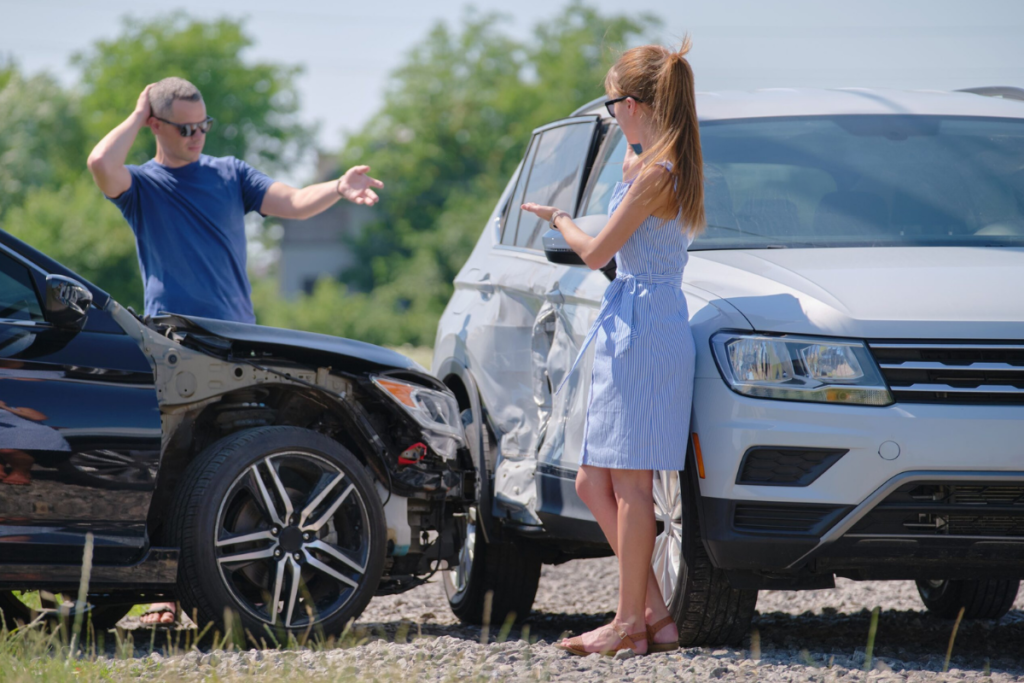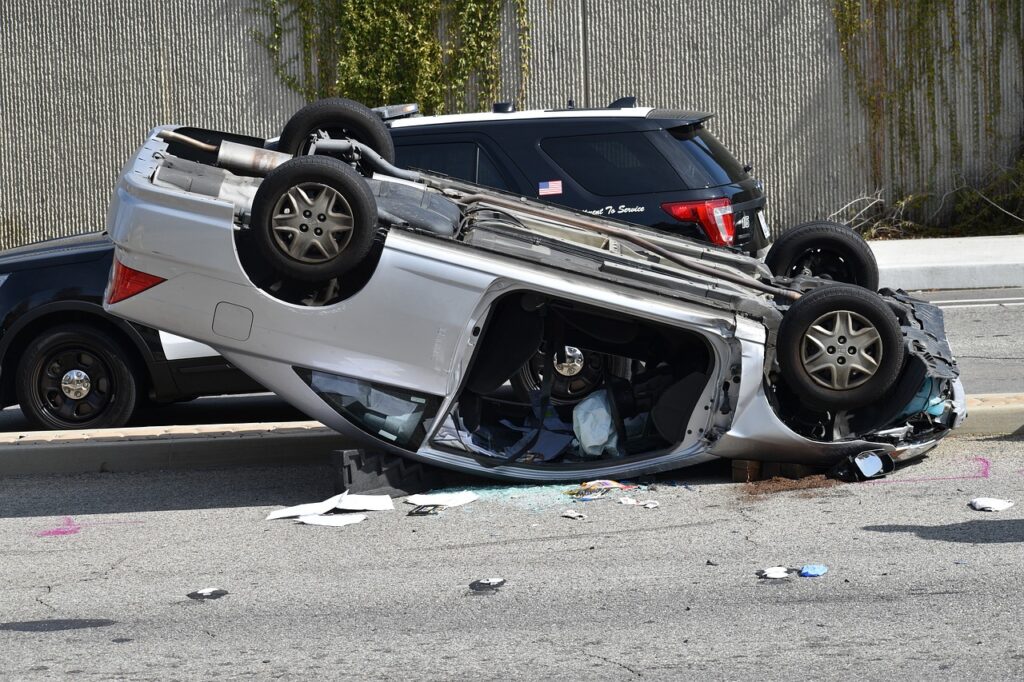
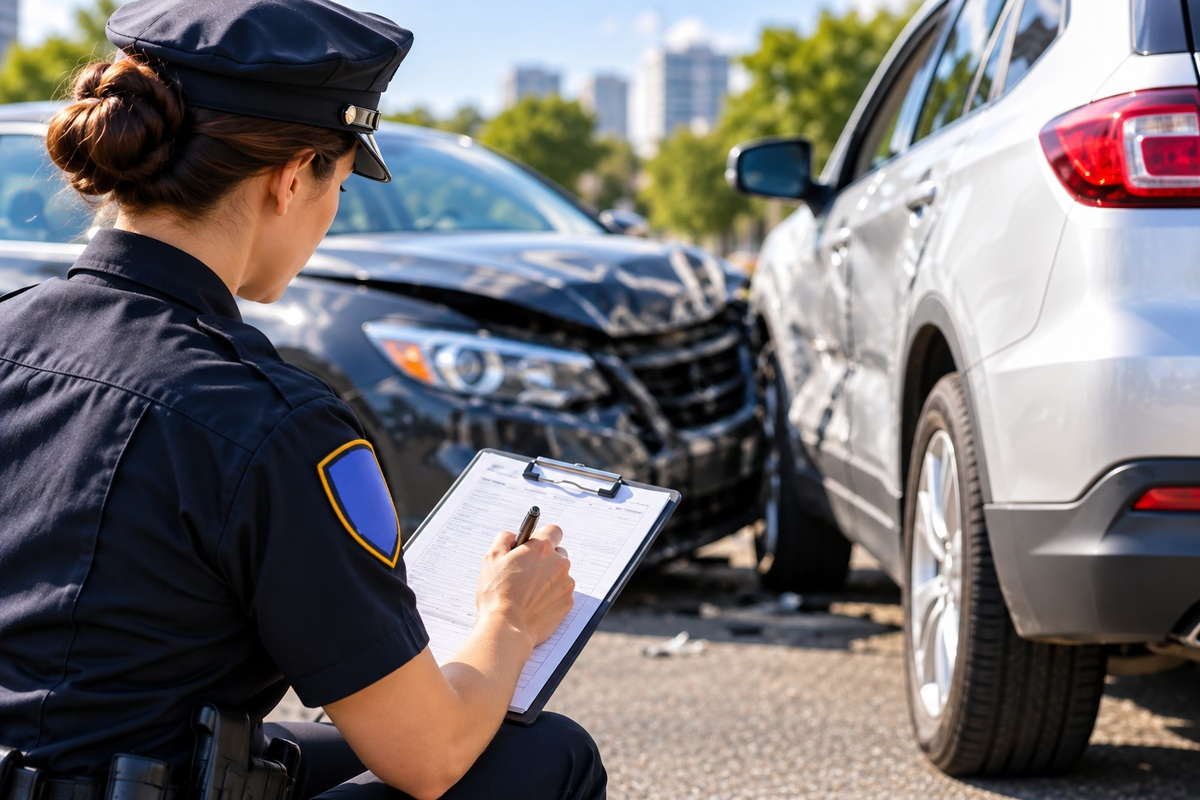
The police officer gave the other driver a ticket after your car accident. You may reasonably think that settles who caused the crash. Then the other driver’s insurance company tells you it is still investigating—or even disputes responsibility.
How can that happen? In Florida, a traffic ticket and a civil injury claim are two different matters. The ticket may be relevant to understanding the accident, but it does not automatically decide liability or guarantee payment for injuries.
A Ticket Is Not the Same as a Finding of Civil Fault
After a collision, an officer may issue a traffic citation because the officer believes a driver violated a traffic law. That decision can be important, but it does not automatically establish who must pay for another person’s injuries. A traffic case addresses an alleged traffic violation; a personal injury claim asks whether someone’s negligence caused harm and what damages may be recoverable.
Florida Statute §316.650(9) generally makes traffic citations inadmissible as evidence at trial, subject to narrow statutory exceptions. That does not mean the underlying driving conduct is irrelevant. The collision itself can still be investigated and proved through admissible evidence.
What If the Police Report Says the Other Driver Caused the Crash?
A crash report may help insurers and attorneys identify the drivers, witnesses, vehicles, location, and other investigative leads. But the report is not a court judgment deciding fault.
Florida Statute §316.066(4) also protects certain crash reports and statements made by people involved in a crash for purposes of completing the required report from use as evidence at trial. The precise application of that privilege matters; not every observation or piece of independently obtained evidence is excluded merely because police investigated the accident.
Why Might the Insurance Company Still Dispute Responsibility?
The other driver’s insurer may review photographs, witness accounts, vehicle damage, roadway conditions, and available video before taking a liability position. It may question whether its driver violated a duty of care, whether that conduct caused the collision, or whether another driver also contributed.
An insurer’s position is not a final court ruling. Likewise, a ticket does not require the insurer to immediately accept a bodily injury claim.
Can Both Drivers Share Fault?
Yes. Imagine one driver turns across oncoming traffic while the approaching driver is traveling substantially over the speed limit. Depending on the evidence, both drivers’ conduct could be examined.
Florida Statute §768.81 generally reduces damages by a claimant’s share of fault and, in negligence actions to which its modified comparative-fault rule applies, generally bars recovery when the claimant is more than 50 percent at fault. A citation issued to one driver does not by itself answer that comparative-fault question.
What Evidence Matters More Than the Ticket?
Independent witnesses, dashcam footage, nearby surveillance recordings, photographs of vehicle positions and damage, traffic-signal information, and physical evidence may help establish what happened. In serious crashes, vehicle data or accident reconstruction may also be relevant.
Evidence can disappear. Businesses may overwrite video, vehicles may be repaired, and witnesses may become harder to reach. If you were injured, preserve what you have and seek appropriate medical attention rather than assuming the citation settles the claim.
What If No One Received a Ticket?
You may still have a valid injury claim. An officer might not have witnessed the collision, may lack enough information to issue a citation, or may decide that a citation is not warranted. Civil responsibility is evaluated under its own legal standards, using the available evidence.
Injured in a Florida Car Accident?
If another driver received a citation—or no citation was issued at all—Kurzman Law Group can evaluate the accident, available evidence, insurance coverage, and potential injury claim.
Yana Kurzman is a Florida personal injury attorney and founder of Kurzman Law Group in Fort Lauderdale. Free consultation.
Sources & Authorities
Florida Statutes §316.650(9) — Traffic citation admissibility.
Florida Statutes §316.066(4) — Crash-report privilege.
Florida Statutes §768.81 — Comparative fault.