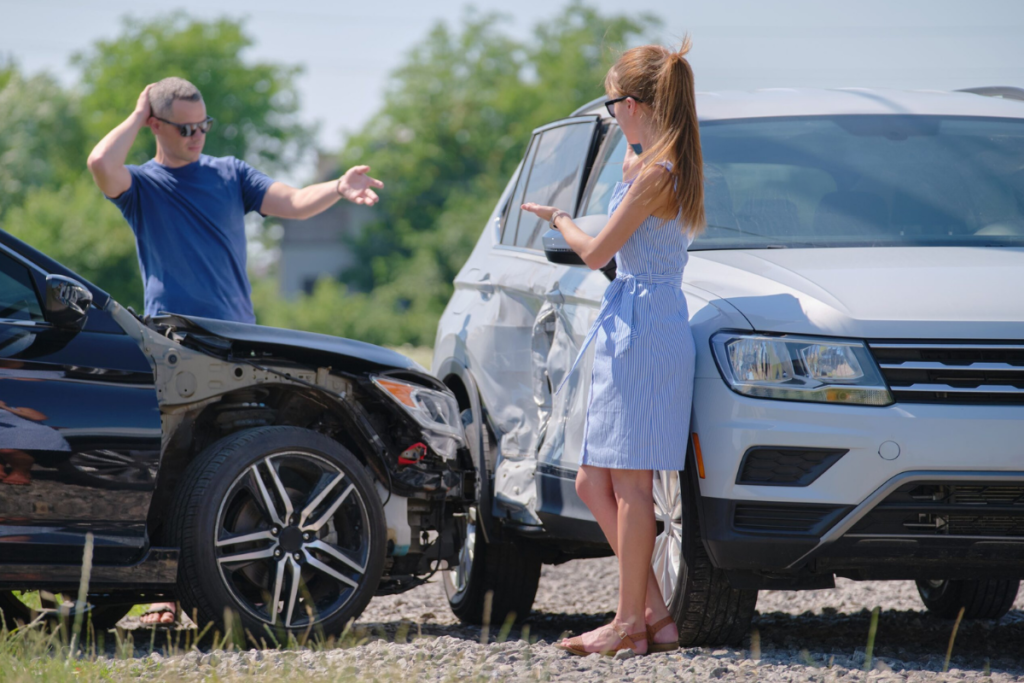
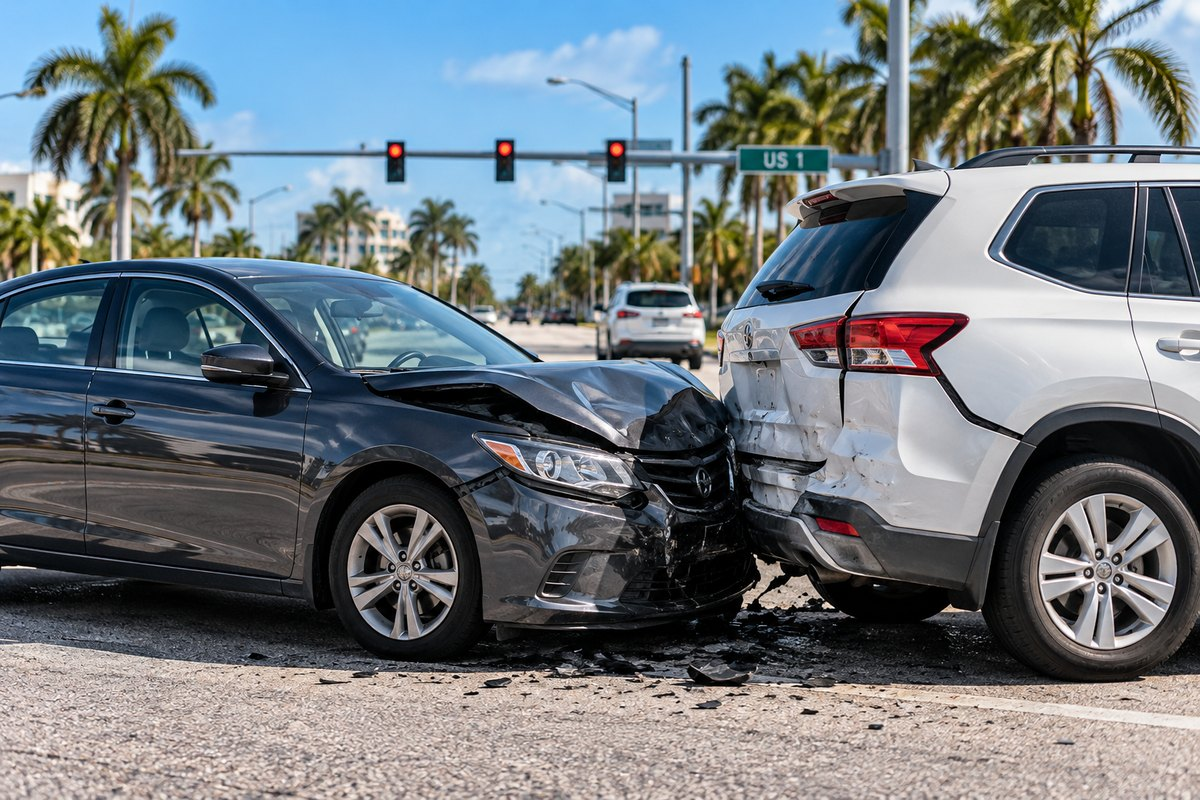
You were stopped at a red light when another driver rear-ended your car. Or perhaps someone turned directly into your path, causing a collision. The other driver may have even admitted responsibility at the scene.
Yet days or weeks later, their insurance company still hasn’t accepted liability.
For someone injured in a car accident, this can be frustrating and confusing. If the other driver clearly caused the crash, why is the insurance company still investigating?
What appears obvious at the accident scene and what an insurance company is willing to accept are not always the same thing.
Why Is the Insurance Company Still Investigating?
When you report an accident to the other driver’s insurance company, the adjuster generally investigates whether its insured was responsible for the collision.
That investigation may involve reviewing the police report, obtaining statements from both drivers, examining vehicle damage, interviewing witnesses, or requesting photographs and video footage.
Sometimes the delay is legitimate. The insurer may be waiting for evidence or trying to resolve conflicting accounts. Other times, an insurer may continue questioning responsibility even when substantial evidence supports the injured person’s account.
An insurance company’s decision about liability is its position on the claim—not a final legal determination of fault.
Doesn’t the Police Report Establish Who Was at Fault?
Not necessarily. A police officer may identify a contributing driver, issue a traffic citation, or record statements from the people involved. Those findings can be important to an investigation, but a citation or crash report does not automatically resolve civil liability.
The insurer may examine evidence beyond the police report, and the admissibility of particular statements or conclusions in a civil case depends on applicable evidence rules. If the police report contains an error, that does not necessarily mean the injured person has no claim.
What If the Other Driver Admitted Causing the Accident?
An admission at the accident scene can be significant evidence, particularly if it was captured on body-camera footage, dashcam video, or heard by an independent witness. But the other driver may later provide a different account to the insurance adjuster.
For example, a driver who initially apologized for rear-ending someone may later claim that the vehicle ahead stopped unexpectedly. That does not automatically eliminate the injured person’s claim. It means the available evidence becomes even more important.
Can the Insurance Company Blame You Instead?
Yes. An insurer may argue that both drivers contributed to the accident.
Florida follows a modified comparative-fault system under §768.81. In negligence actions covered by that statute, an injured person’s percentage of fault can reduce recoverable damages. Generally, a person found more than 50% responsible for their own harm cannot recover damages under that provision.
However, an insurer cannot establish comparative fault simply by alleging it. The facts must support the allocation of responsibility.
What Evidence Can Help Resolve a Liability Dispute?
Evidence is particularly important when the insurance company refuses to accept its driver’s responsibility. Depending on the accident, relevant evidence may include dashcam, traffic-camera, or nearby business surveillance footage; photographs of vehicle damage and the scene; independent witness statements; police body-camera recordings; and vehicle inspection or accident reconstruction evidence in serious cases.
Some evidence is time-sensitive. Surveillance recordings may be overwritten, vehicles repaired, and witnesses become difficult to locate. In serious injury cases, early investigation can make a substantial difference.
Does the Insurance Company Have to Accept Liability Within a Certain Time?
There is no universal deadline requiring another driver’s liability insurer to accept fault within a fixed number of days after every Florida car accident.
However, Florida law regulates certain unfair insurance claims practices, including specified failures involving claims investigations and communications. Whether particular conduct violates those provisions depends on the facts and statutory requirements.
An unresolved liability investigation also does not necessarily mean the injured person must wait to obtain medical care or preserve evidence.
What Should You Do If the Insurer Still Won’t Accept Fault?
If you were injured, continue addressing your medical needs and preserve the information available about the collision. Keep correspondence from the insurer, note the adjuster’s explanations, and avoid assuming that an initial liability denial is conclusive.
A Florida car accident lawyer can independently evaluate the collision, identify additional evidence, address disputed responsibility, and pursue an injury claim when supported by the facts.
Injured in a Florida Car Accident With Disputed Liability?
When another driver’s insurance company refuses to accept responsibility, Kurzman Law Group can investigate the circumstances of the accident, evaluate the evidence, and determine what options may be available.
Yana Kurzman is a Florida personal injury attorney and founder of Kurzman Law Group in Fort Lauderdale. Free consultation.
Sources & Authorities
Florida Statutes §768.81 — Comparative Fault.
Florida Statutes §626.9541 — Unfair Methods of Competition and Unfair or Deceptive Acts or Practices.