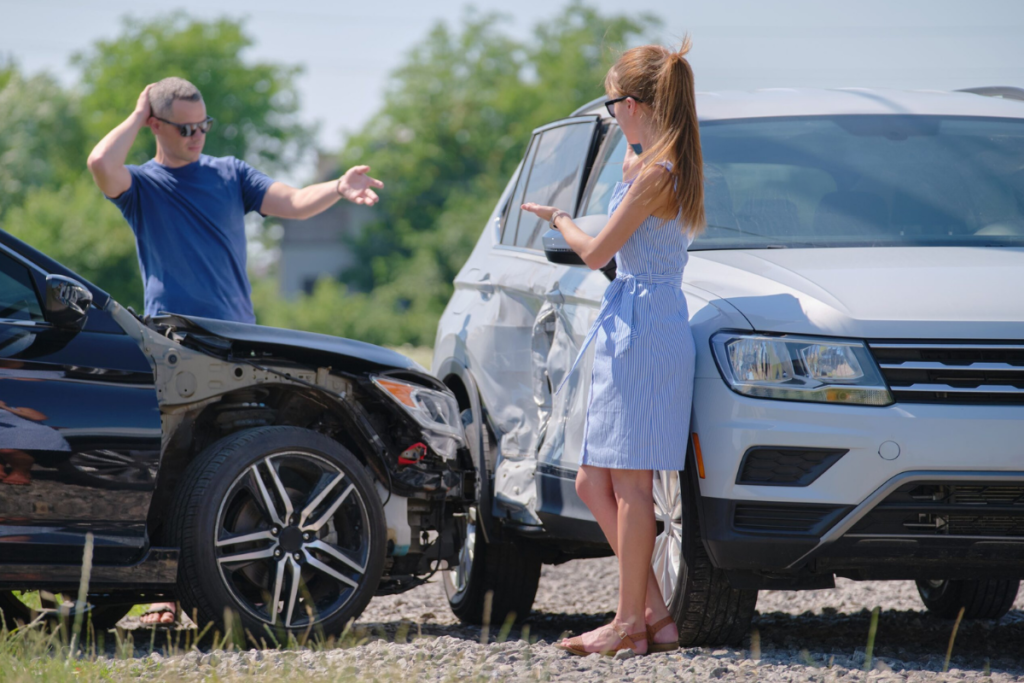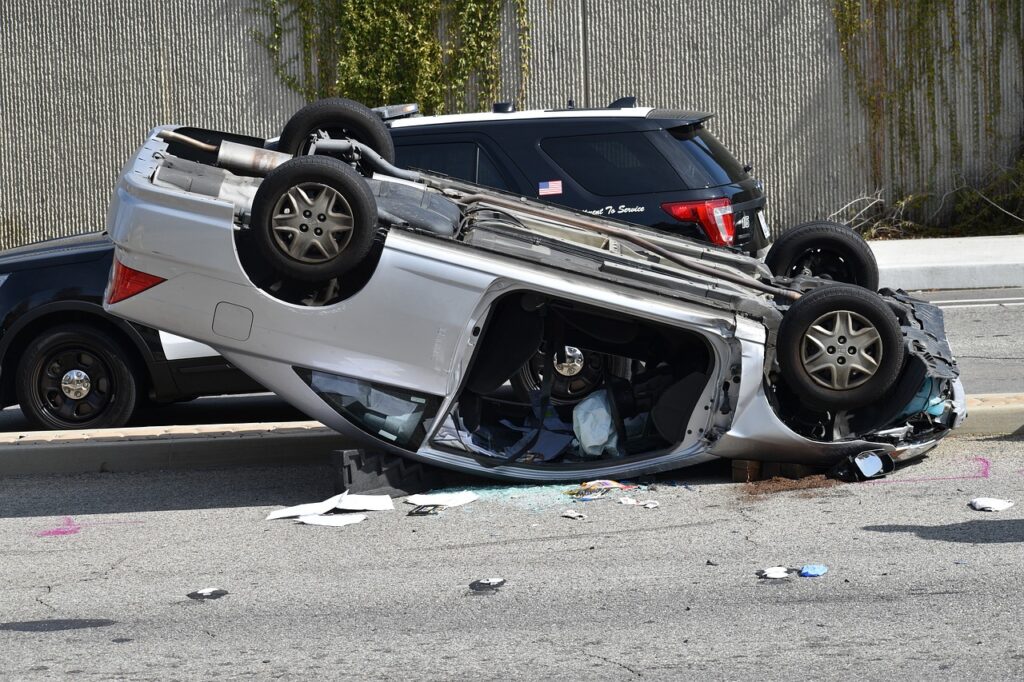

A driver suddenly makes a U-turn in front of you. You have only seconds to react, and the vehicles collide.
Who is responsible?
In Florida, the answer depends on how the U-turn was made and what each driver was doing immediately before the crash. A U-turn is not automatically illegal simply because an accident occurred. But Florida law places important restrictions on when a driver can safely turn around.
Florida Law Requires a U-Turn to Be Made Safely
Under Florida Statute §316.1515, a driver cannot turn a vehicle around to travel in the opposite direction unless the maneuver can be made safely and without interfering with other traffic. A U-turn also cannot be made where a posted traffic-control sign prohibits it.
That means the absence of a “No U-Turn” sign does not automatically make a U-turn safe or lawful.
For example, a driver who begins a U-turn directly into the path of an approaching vehicle may have violated the statute even though U-turns were generally permitted at that location.
Florida law also prohibits turning around on a curve, or near the crest of a hill, when the vehicle cannot be seen by approaching drivers from either direction within 500 feet.
Who Is Usually Responsible When a U-Turn Causes a Crash?
The driver making the U-turn may bear responsibility when the maneuver creates a hazard for traffic that is already traveling on the roadway.
Common U-turn accidents occur when a driver:
- turns across several lanes of moving traffic;
- misjudges the speed or distance of an approaching vehicle;
- makes the turn where visibility is limited;
- turns despite a posted prohibition;
- begins the maneuver and blocks an approaching vehicle’s lane; or
- fails to account for a motorcycle, bicycle, or other road user approaching the area.
But fault should not be decided simply by saying, “One driver was making a U-turn.” The complete circumstances matter.
Can the Other Driver Also Be at Fault?
Yes.
Suppose one driver makes an unsafe U-turn, but the approaching driver was speeding, distracted, or otherwise driving negligently. An insurer may argue that both drivers contributed to the collision.
Florida uses a modified comparative-fault system for negligence actions. Under the current version of §768.81, a person’s percentage of fault can affect recovery, and a party found to be more than 50% at fault for his or her own harm generally cannot recover damages in a negligence action covered by the statute.
That makes the evidence surrounding a disputed U-turn particularly important.
What Evidence Can Show How the U-Turn Accident Happened?
U-turn accidents can happen very quickly, and the drivers may give completely different accounts afterward.
Useful evidence can include traffic-camera or surveillance video, dashcam footage, photographs of the vehicles and roadway, skid marks and debris, witness statements, vehicle damage, the location of traffic-control signs, electronic vehicle information when available, and the police crash report.
The point of impact can also become important. A collision with the side of a vehicle midway through a U-turn may present a very different factual picture from a collision occurring after that vehicle had already completed the maneuver.
That is why determining fault should be based on the evidence rather than on one driver’s description of the accident.
What If the Insurance Company Blames You?
An insurance company’s initial liability decision is not necessarily the final word.
If another driver made a U-turn across your path, the insurer may still investigate your speed, your opportunity to react, traffic signals, visibility, the point of impact, and other circumstances surrounding the collision.
When liability is disputed, evidence can disappear quickly. Nearby businesses may overwrite surveillance footage, vehicles may be repaired or disposed of, and witnesses can become difficult to locate.
If you were injured in a U-turn accident, preserving evidence early can become especially important.
Injured in a U-Turn Accident in Florida?
If another driver made a U-turn and you were injured in the resulting crash, Kurzman Law Group can review what happened, the available evidence, and the insurance coverage that may apply.
Yana Kurzman is a Florida personal injury attorney and founder of Kurzman Law Group in Fort Lauderdale.
Free consultation.
Sources & Authorities
Florida Statute §316.1515 — Limitations on U-turns.
Florida Statute §316.152 — Turning on curve or crest of grade prohibited.
Florida Statute §768.81 — Comparative fault.